Family Photoshoot: Meaning, Tips & How to Book in 2026
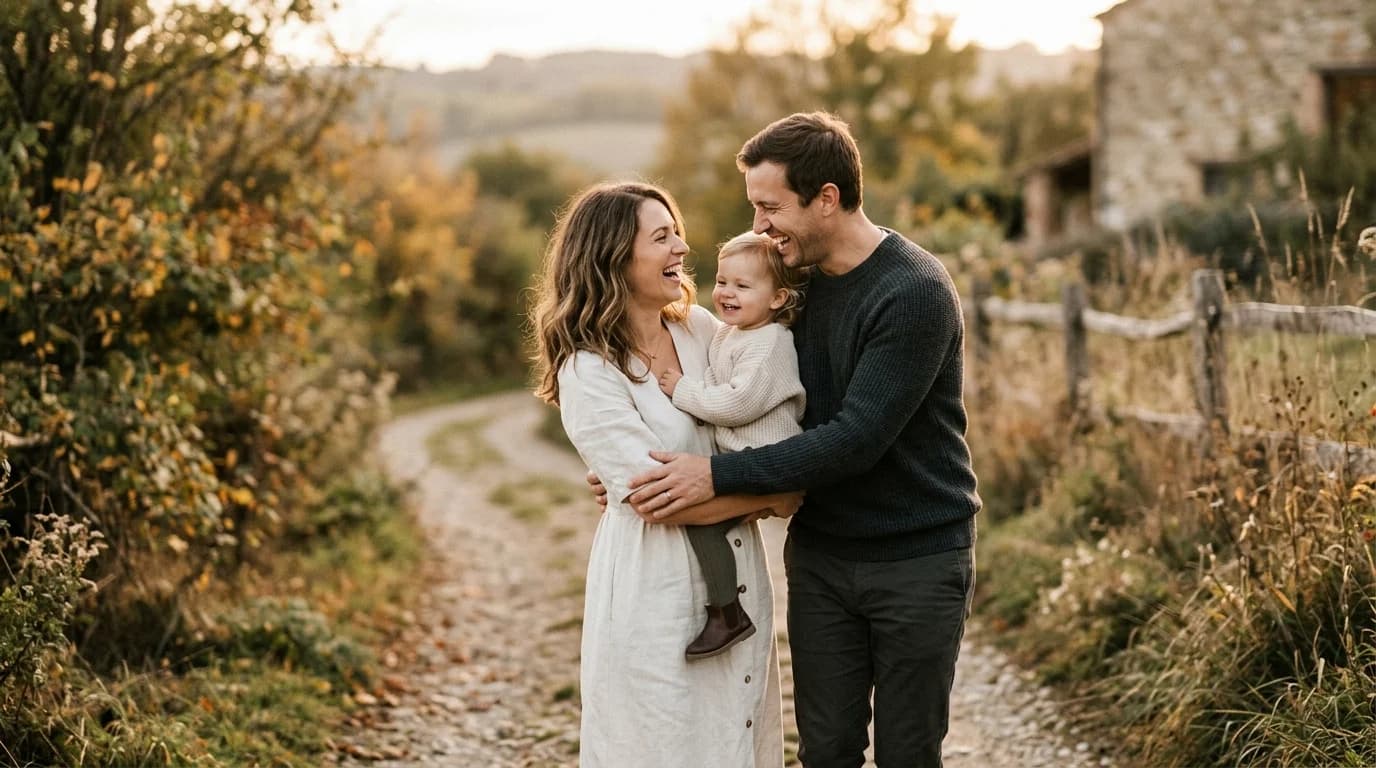
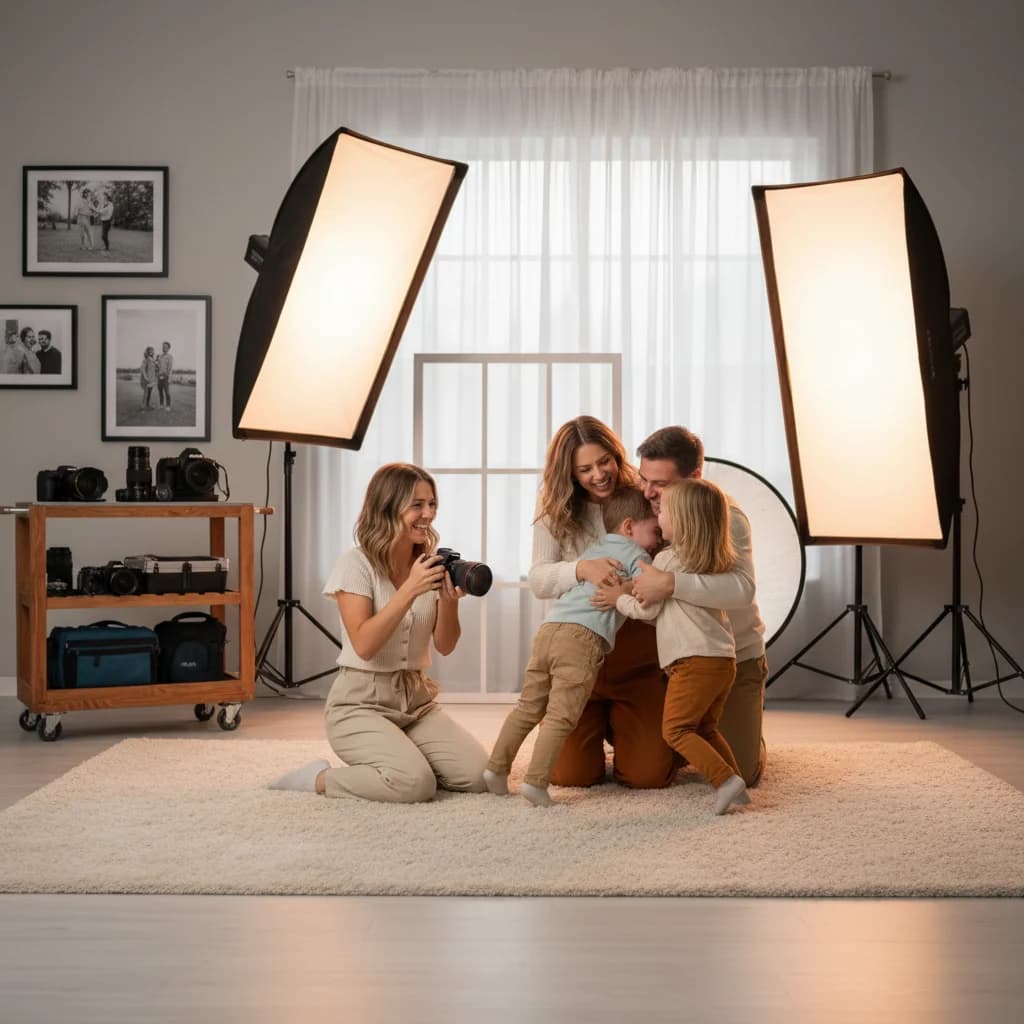
A family photoshoot is a purposeful, collaborative photography session designed to capture genuine connections, personalities, and shared moments among family members—whether immediate, extended, or chosen—using storytelling techniques, natural light, and intentional planning to create timeless, emotionally resonant images.
Table of Contents
- Why a Family Photoshoot Is Worth the Investment
- What Makes a Great Family Photoshoot? 3 Pillars That Set Professionals Apart
- How a Story-First Approach Shows Up in Real Sessions
- How to Prepare for Your Family Photoshoot: A Practical Checklist
- What to Expect During Your Family Photoshoot
- How to Book a Family Photographer You’ll Love (Not Just Like)
- The Long-Term Value of a Family Photoshoot
- FAQs: Your Family Photoshoot Questions—Answered
Family photoshoots are more than just posed portraits in front of a studio backdrop. They’re visual heirlooms—quiet testaments to love, growth, resilience, and everyday magic. At Candid Studios, we approach every family photoshoot guide family photoshoot not as a checklist of smiles and settings, but as a narrative opportunity: What makes this family unique? What laughter echoes in their kitchen? Which traditions light up their eyes? That curiosity transforms a standard family photography session into something deeply personal—and powerfully enduring.
In a world of fleeting digital snapshots, a thoughtfully executed family photoshoot grounds memory in intentionality. It’s why parents book sessions before babies outgrow their newborn curls, why grandparents commission generational portraits, and why blended families choose outdoor sessions to symbolize unity in shared space. It’s not about perfection—it’s about presence.
Key Takeaways
- A family photoshoot prioritizes emotional authenticity over rigid posing, using story-driven planning and natural light to reflect real family dynamics.
- Professional family photographers with credentials like CPP (Certified Professional Photographer) and WPJA Awards demonstrate technical mastery and narrative sensitivity critical for high-stakes sessions.
- Families who invest in professional family photography often report a significantly stronger emotional connection to printed heirlooms than to digital-only archives.
Why a Family Photoshoot Is Worth the Investment
Let’s be clear: you could line up the kids, set a timer on your phone, and take a dozen shots in the backyard. And some of those might turn out beautifully. But a professionally guided family photoshoot delivers something irreplaceable—context, consistency, and curation.
First, there’s the technical advantage: weather-sealed gear, off-camera flash expertise, color-calibrated editing workflows, and lens selection matched to your family’s size and environment. Then there’s the human advantage—the photographer’s ability to read group energy, redirect wiggly toddlers with playful prompts, and hold space for quiet, tender glances between grandparents and grandchildren.
But perhaps most importantly, a family photoshoot is an act of legacy-building. It says: You matter. Your story matters. And I want it remembered—not filtered, not abbreviated, but felt.
Shared visual documentation of family life, especially when created intentionally and displayed meaningfully, can strengthen intergenerational identity and help children and teens feel more connected. In other words, those framed prints on your hallway wall aren’t just decor. They’re psychological anchors.
What Makes a Great Family Photoshoot? 3 Pillars That Set Professionals Apart
1. The Story-First Shoot
We begin every family photoshoot with a 15-minute discovery chat—not about outfits or locations, but about meaning. What milestone are you marking? A new home? A post-pandemic reunion? A child’s first solo bike ride? A parent’s recovery journey? That insight becomes our creative compass.
When that conversation surfaces where joy lives for your family, whether it is barefoot grass runs, shared ice cream cones, or the way a parent always holds a hand crossing the street, we build the session around those rhythms, capturing windblown hair, melting cones, and that exact hand-hold in golden-hour light. The result is a family photoshoot that tells your real story.
2. Natural Light Mastery
We don’t chase light—we converse with it. That means scouting your backyard at 4:30 p.m. to see how dappled oak shadows fall across the patio, or checking your living room’s north-facing window for soft, even illumination on rainy days. We use reflectors to lift shadows under chins, diffusers to soften midday glare, and wide apertures to isolate emotion—not just faces.
This philosophy isn’t just aesthetic—it’s physiological. Images lit with natural, directional light tend to feel more emotionally resonant than flat, studio-lit portraits, likely because our brains associate that light quality with lived, embodied experience.
3. The Candid Edit Framework
Our editing isn’t about erasing reality—it’s about honoring it with clarity. We adjust exposure to recover detail in sunlit hair and shadowed eyes. We balance color to reflect how a sunset felt, not just how it looked on a histogram. We remove a stray plastic bag in the background—but we leave the freckle on your son’s nose, the milk mustache, the crumpled napkin clutched in your toddler’s fist.
This restraint matters.
How a Story-First Approach Shows Up in Real Sessions
The same core principles—story-first listening, natural light mastery, and candid editing—adapt to wildly different scenarios.
When the weather turns on an outdoor shoot, weather-sealed gear and a willingness to lean into natural mist and wet foliage can turn a downpour into moody, cinematic framing. The result is portraits that convey intimacy and adaptability no sunny session could replicate.
When a team wants imagery that reflects a “human-first” culture, pre-session conversations to uncover personal quirks, passions, and workspace rhythms, followed by on-location shooting in natural light, produce images that look like the real people behind the brand, not stiff, disconnected studio poses.
And when a space has tricky lighting, narrow corners, or dated fixtures, a hybrid approach works well. HDR bracketed exposures for dynamic range, wide-angle composition to emphasize lines, and subtle twilight framing for warmth all help highlight character over flaws.
How to Prepare for Your Family Photoshoot: A Practical Checklist
A successful family photoshoot starts long before the shutter clicks. Here’s how to prepare—without overwhelm.
✅ Choose Meaningful Location(s)
Think beyond “pretty.” Where does your family live? The park where you feed ducks every Sunday? The kitchen island where you bake holiday cookies? The front porch swing where grandparents tell stories? Authenticity lives in repetition—not just scenery.
✅ Coordinate, Don’t Match
Skip the “all-in-white” trap. Instead, choose a cohesive palette (e.g., warm neutrals + one accent color) and let textures speak: corduroy over cotton, linen over polyester. Let kids wear clothes they move in—no stiff collars or shoes that pinch.
✅ Schedule Around Rhythms, Not Clocks
Book your family photography session 60–90 minutes after naps and meals. For toddlers, aim for late morning (post-meltdown, pre-afternoon crash). For teens? Golden hour—when light is soft and self-consciousness is low.
✅ Prep With Your Kids—Not Just For Them
Show them the photographer’s portfolio. Watch a behind-the-scenes reel. Let them hold a vintage camera prop or choose a “photo walk” route. Familiarity disarms anxiety.
✅ Bring the ‘Unplanned’ Essentials
- A favorite stuffed animal or blanket (for comfort + visual warmth)
- Snacks that don’t crumble (think apple slices, cheese sticks)
- A change of clothes for adults (yes, really—coffee spills happen)
- A small notebook to jot down spontaneous moments during the shoot (“Dad twirled her three times!”)
What to Expect During Your Family Photoshoot
From the moment your photographer arrives, your family photoshoot unfolds in three intentional phases:
Phase 1: Settle & Sync (5–10 minutes)
No shooting yet. Just breathing, adjusting, and observing. Your photographer will kneel to your child’s eye level, ask about their favorite animal or what they had for breakfast, and let connections form organically. This is where trust begins—and where the best shots often start.
Phase 2: Guided Flow (30–50 minutes)
This isn’t a pose-a-thon. It’s a series of gentle invitations: “Let’s walk toward that oak tree—no need to hold hands, just walk close.” “Can you show me how you hug Grandma?” “What’s the silliest sound you can make together?” Movement invites authenticity. Laughter follows direction—when it’s playful, not prescriptive.
Phase 3: Quiet Anchors (10–15 minutes)
The final moments are often the most powerful: a solo portrait of your teen looking out a window, your partner’s hand resting on your pregnant belly, your toddler asleep against your chest. These aren’t staged—they’re witnessed. And they’re why families return, year after year.
How to Book a Family Photographer You’ll Love (Not Just Like)
Booking a family photographer isn’t like booking a plumber. You’re inviting someone into your emotional ecosystem—for 60 minutes or 6 hours. Here’s how to choose wisely:
🔹 Look Beyond the Portfolio—Read the Process
A stunning gallery means little if the photographer’s workflow feels transactional. Do they offer discovery calls? Pre-session questionnaires? Post-session storytelling notes? At Candid Studios, every family photoshoot includes a “Memory Map”—a short written reflection highlighting 3 emotional threads captured in the session (e.g., “the way your son’s confidence grew between shots 7 and 22,” or “how your daughter’s laugh changed when Dad joined the frame”).
🔹 Verify Credentials—Not Just Aesthetics
Certifications can signal rigor, not just style. When you’re evaluating photographers, look for designations like:
- Certified Professional Photographer (CPP) — Professional Photographers of America
- Award of Excellence — Wedding Photojournalist Association (WPJA)
- Membership in the American Society of Media Photographers (ASMP)
These aren’t vanity titles. The CPP exam alone includes 100+ questions on color science, lighting physics, business ethics, and client psychology, a sign that a photographer thinks beyond the frame.
🔹 Ask About Their ‘No’ List
A great family photographer knows what not to do:
- No forced smiles
- No cropping out birthmarks, braces, or mobility devices
- No pressure to “fix” family structure (single-parent, LGBTQ+, multigenerational, foster/adoptive)
- No rushed timelines that sacrifice emotional safety
That clarity is as telling as any image.
The Long-Term Value of a Family Photoshoot
Let’s talk about what happens after the gallery delivery.
A family photoshoot isn’t a one-time event—it’s the seed of a living archive. Consider these ripple effects:
- Digital galleries alone don’t age well. Digital photo files stored only in cloud services or personal hard drives can become inaccessible over time due to format obsolescence, broken links, or accidental deletion. Professional photographers provide archival-grade prints and USB backups with metadata—ensuring your family photoshoot endures.
- Sessions build emotional literacy. Children who regularly engage with family photos—discussing expressions, contexts, and changes over time—often develop stronger empathy and self-concept.
In short: a family photoshoot isn’t an expense. It’s infrastructure—for memory, for identity, for love made visible.
Related Reading
- Family Photoshoot: Capture Real Moments, Not Just Poses
- Stress-Free Family Photoshoot Ideas & Tips
- Stress-Free Family Photoshoot Ideas & Tips
- Family Photoshoot Cleveland: Warm, Real & Uniquely Yours
FAQs: Your Family Photoshoot Questions—Answered
Q: What is a family photoshoot?
A: A family photoshoot is a collaborative, story-centered photography session that captures authentic connections, personalities, and shared moments among family members—using intentional lighting, thoughtful composition, and empathetic guidance to create emotionally resonant, timeless images.
Q: How does a family photoshoot work?
A: It begins with a discovery chat, followed by location scouting and preparation guidance. During the session, the photographer uses movement-based prompts—not rigid poses—to evoke natural expressions. Post-session, images are edited with emotional fidelity and delivered as a curated digital gallery and/or fine-art prints.
Q: What are the key benefits of a professional family photoshoot?
A: Benefits include emotionally authentic imagery, archival-quality preservation, strengthened family storytelling, increased intergenerational connection, and professional technical execution—especially in challenging lighting or weather conditions.
Q: How far in advance should I book a family photographer?
Candid Studios
We don’t just take photos — we tell your story through artful, candid imagery.
A: For peak seasons (spring and fall), book 8–12 weeks ahead. For milestone sessions (newborn, first birthday, graduation), reserve 3–4 months early. Last-minute slots open occasionally—contact us to inquire.